
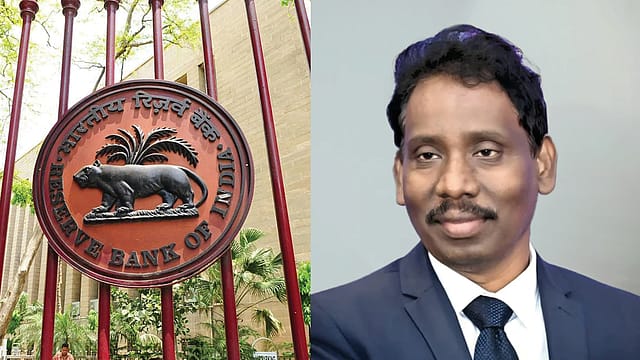
The Reserve Bank of India (RBI) has issued a cautionary advisory to microfinance institutions (MFIs), highlighting the growing vulnerabilities faced by low-income borrowers due to geopolitical tensions and extreme weather events. As global instability and climate disruptions increasingly affect grassroots livelihoods, the central bank emphasized the critical need for lenders to strengthen their underwriting, risk management, and collection practices.
Rising External Risks Threaten Grassroots Borrowers
Micro-enterprises and low-income individuals often bear the brunt of macro-level disruptions. Unpredictable climate patterns, such as unexpected droughts or severe flooding, directly impact agricultural productivity and rural commerce. Simultaneously, geopolitical conflicts continue to cause supply chain disruptions and inflationary pressures on essential goods.
According to the RBI, these external headwinds pose a risk to the debt-servicing ability of low-income earners, which could lead to household distress and elevated asset quality stress across the microfinance sector.
Key Focus Areas for Microfinance Institutions
To preserve financial stability and prevent borrower over-indebtedness, the RBI directed MFIs to proactively reinforce their operational frameworks, focusing on:
- Responsible Lending Practices: Ensuring micro-borrowers are not overburdened with debt beyond their repayment capacities.
- Strengthened Underwriting: Enhancing risk evaluation models to factor in local economic and weather-related disruptions.
- Ethical Collections: Adhering strictly to fair practices code during debt recovery, avoiding coercive measures.
- Customer-Centric Grievance Redressal: Offering transparent and accessible complaint mechanisms to resolve consumer distress quickly.
Implications for MSMEs and Small Borrowers
For micro-enterprises and small business owners who rely on microfinance loans and non-banking financial companies (NBFCs) for working capital, these regulatory signals bring several direct consequences:
- Tighter Loan Scrutiny: Small businesses may face more stringent credit assessments, with lenders verifying cash flows and existing debt levels more thoroughly.
- Need for Diverse Cash Flow Buffers: Given the volatility caused by climate and market events, entrepreneurs must maintain adequate emergency liquidity and diversify their revenue streams where possible.
- Shift Toward Formalized Credit: Clear digital bookkeeping and formal banking transactions will become increasingly vital to prove repayment capacity and secure timely financing.
By urging MFIs to calibrate their practices early, the RBI aims to safeguard vulnerable micro-borrowers while maintaining stability across India’s retail credit ecosystem.